Data Centre Cooling Optimisation: Reducing Energy Use Without Compromising Uptime
Introduction
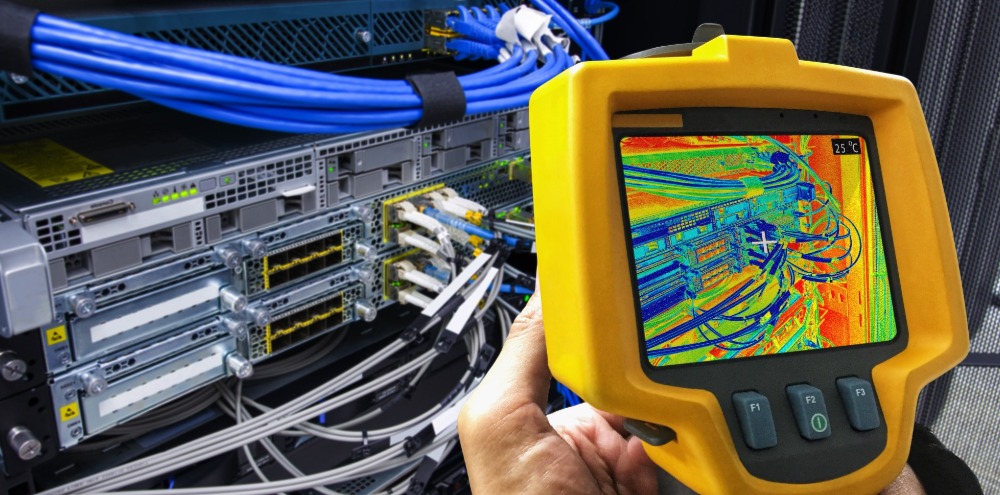
Air conditioning systems constitutes one of the primary consumers of energy in data centers. Nonetheless, the manager of a data centre must be sure to ensure that there is enough cooling to safeguard its valuable IT equipment without creating unnecessary cooling loads that will lead to high energy consumption. The assessment of the air conditioning during preventative maintenance will result in improved performance of the data center cooling systems.
If you have any questions about the topics covered in our blog or would like an expert to review the performance of your data centre cooling systems, please get in touch with our team.
We can assess your current system setup, identify opportunities for optimisation and provide practical recommendations to help improve overall efficiency and resilience of your operations.
Why Cooling Setpoints and Airflow Matters
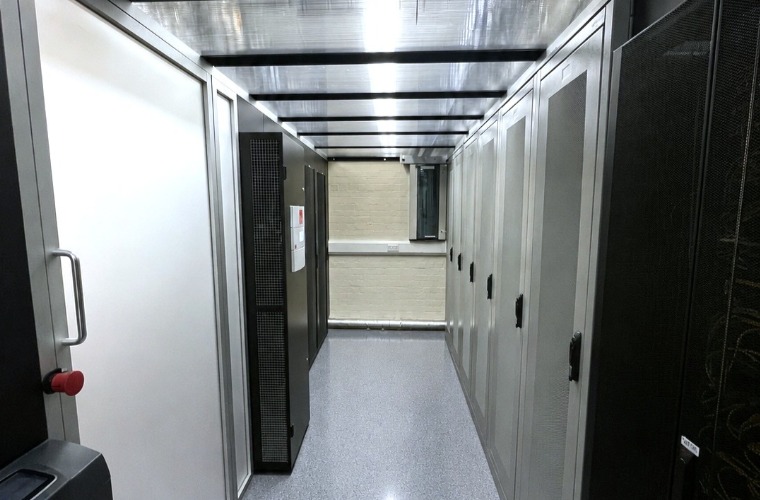
Despite that many data centres operate with setpoints which were defined back in time when data centre managers felt that being conservative would be better, this approach does not necessarily lead to energy savings. Optimising cooling setpoints is done carefully and in a phased manner. Data centre experts analyse existing parameters and change them according to certain rules and limits in a phased approach.
The most critical temperature in a data centre is the air entering the front of the servers. General room temperature does not always show what is happening at rack level. Before any setpoint changes are made, operators should review:
- Server inlet temperatures
- Hot spot locations
- Supply and return air temperatures
- Humidity levels
- Cooling unit performance
- Fan speeds
- IT load by rack or overall
- Alarm thresholds and BMS or EMS readings
This helps confirm whether your cooling system is operating effectively or whether local airflow issues need to be corrected first.
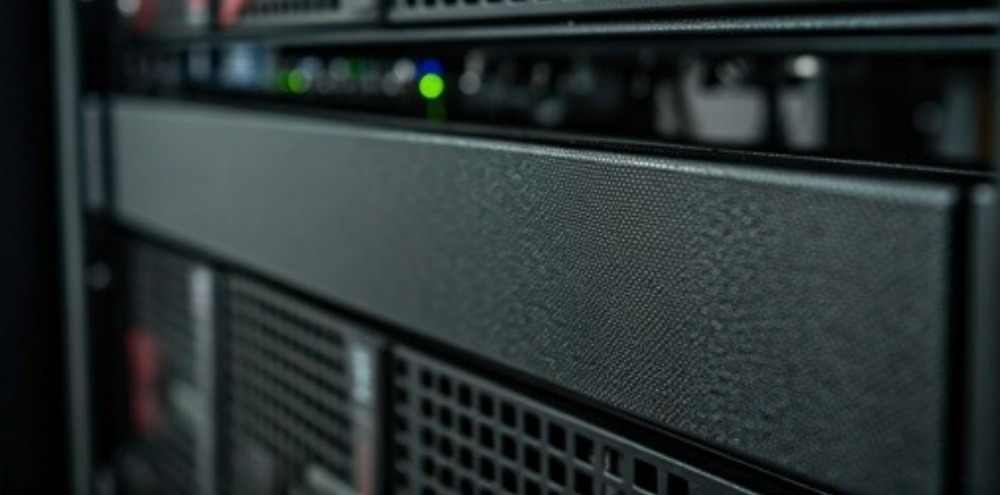
Blanking panels help prevent cooled air from escaping through unused rack spaces, improving airflow control and reducing unnecessary cooling demand.
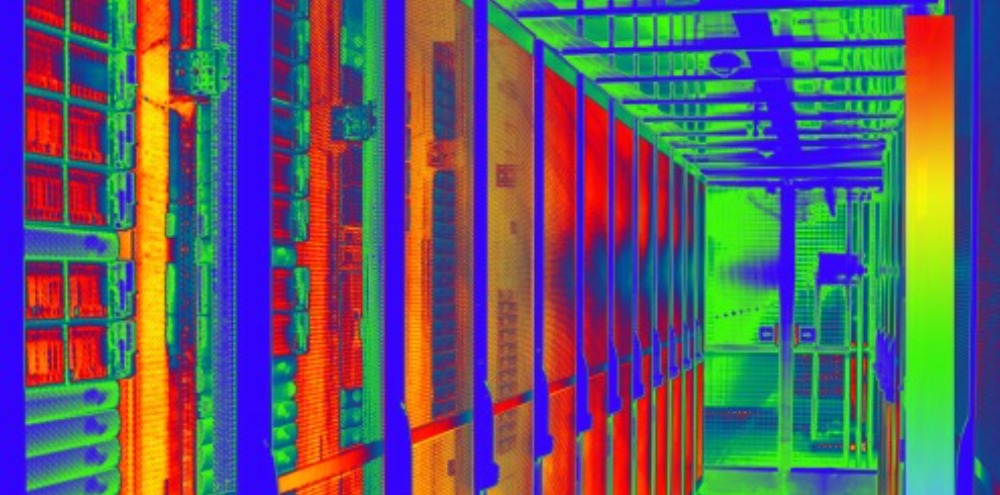
Thermal imaging can help identify hot spots, airflow issues and temperature variations across racks before they affect equipment performance.
Optimising Airflow In Your Data Centre
- Missing blanking panels
- Gaps around cable openings
- Poorly positioned floor tiles
- Hot and cold air mixing
- Blocked air paths
- Poor aisle containment
- Cooling units operating with inconsistent settings
Making Changes Gradually
Conclusion
Contact us today on 0844 225 0094 to book an exploratory meeting or click below to fill in our contact request form:
Discover what our data centre air conditioning maintenance services can offer.
Frequently Asked Questions
Why is cooling optimisation important in a data centre?
Cooling is one of the largest energy costs in a data centre. Optimising cooling systems can help reduce energy consumption, lower operating costs and improve system reliability without compromising the safe operation of IT equipment.
Does increasing cooling setpoints put servers at risk?
Not when it is done correctly. Setpoint changes should be made gradually, with continuous monitoring of server inlet temperatures, alarm thresholds and system performance to ensure conditions remain within safe operating limits.
What should be checked before changing setpoints?
Before making any changes, it is important to review server inlet temperatures, hot spot locations, supply and return air temperatures, humidity levels, fan speeds, cooling unit performance, IT load and BMS or EMS readings.
Why should airflow issues be fixed before changing temperatures?
If certain racks are running hot due to poor airflow, lowering the temperature across the whole room may waste energy without solving the root cause. Issues such as missing blanking panels, blocked air paths or hot and cold air mixing should be corrected first.
How can planned maintenance help improve cooling efficiencies?
Planned maintenance allows engineers to assess cooling performance, review control settings, identify inefficient operation and make practical recommendations. This helps reduce plant stress, improve resilience and support long term energy savings.
Can cooling optimisation help reduce operating costs?
Yes. By reducing unnecessary overcooling, improving airflow and ensuring cooling units are operating efficiently, data centres can often lower energy usage, reduce wear on equipment and improve overall system performance.